Discover breathtaking landscapes, rich traditions and vibrant cities.
Discover Vietnam
Vietnam is one of Southeast Asia’s most compelling destinations, combining dramatic natural scenery, distinctive regional cultures and dynamic urban life. From the historic streets of Hanoi to the commercial energy of Ho Chi Minh City, the country offers experiences for travelers interested in food, history, architecture and outdoor adventures.
Along the coast, beautiful beaches and fishing communities contrast with mountain valleys, rice terraces and the waterways of the Mekong Delta. This guide introduces the country’s highlights and provides a starting point for future city and destination guides on allspots4u.com.
Three Major Cities to Explore
These three major urban centers will each receive a dedicated article in a future allspots4u series. City populations and rankings depend on administrative boundaries and definitions, so they are presented here as major cities rather than a definitive population ranking.
Ho Chi Minh City
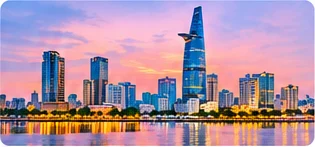
Vietnam’s largest metropolis is an energetic commercial center with skyscrapers, bustling markets, cafés and layers of colonial-era architecture. Formerly known as Saigon, it is an ideal gateway to southern Vietnam.
Dedicated city article coming later
Hanoi
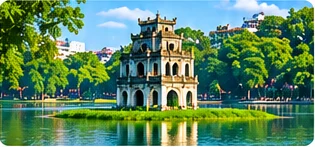
The national capital blends lakes, tree-lined boulevards, historic temples and the lively Old Quarter. Its street food, museums and traditional neighborhoods make it a cultural highlight.
Dedicated city article coming later
⚓
Hai Phong
This major northern port city has a strong maritime identity and access to coastal landscapes, including Cat Ba Island. A dedicated city guide will explore its neighborhoods and nearby excursions.
Dedicated city article coming later
Top Places and Attractions
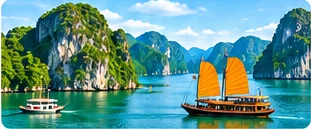
Ha Long Bay
A celebrated UNESCO-listed seascape of limestone islands, emerald waters and boat excursions.
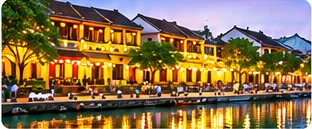
Hoi An
An atmospheric historic trading town known for lanterns, preserved buildings and riverside walks.
Sa Pa
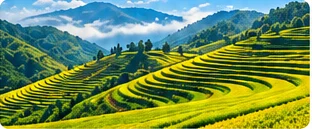
Mountain landscapes, terraced fields and cultural experiences in northern Vietnam.
Mekong Delta
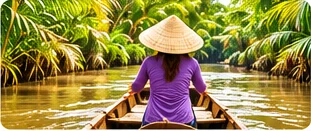
A lush region of canals, orchards, floating commerce and riverside communities.
Phong Nha–Ke Bang
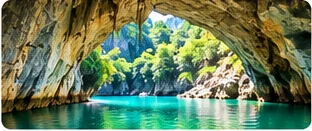
A remarkable national park known for caves, karst landscapes and forests.
Nha Trang
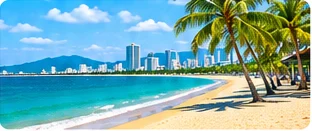
A coastal city with sandy beaches, island trips and seaside activities.
Geography and Climate
Vietnam stretches for more than 1,600 kilometres along the eastern edge of mainland Southeast Asia. China lies to the north, while Laos and Cambodia border the country to the west. Its long coastline faces the South China Sea, known locally as the East Sea. The landscape changes dramatically from the mountains and terraced valleys of the north to the central coast, fertile plains and tropical waterways of the south. The Red River Delta surrounds Hanoi, while the Mekong Delta supports agriculture and communities built around rivers and canals. Vietnam has a tropical monsoon climate, but the weather differs substantially between regions. Northern winters can be cool, central provinces experience seasonal heavy rainfall, and the south remains warm throughout the year. For this reason, there is no single perfect month for every destination.
History and Heritage
Vietnam’s history reflects centuries of local kingdoms, cultural exchange and struggles for independence. Historic Chinese influence remains visible in literature, philosophy and architecture, while the Cham civilization left remarkable temple complexes in central Vietnam. French colonial rule shaped parts of the country’s cities, infrastructure and cuisine. During the twentieth century, Vietnam experienced decades of conflict before reunification in 1975. Since economic reforms began in 1986, the country has transformed into a major manufacturing and trading economy. Visitors can explore this layered past in Hanoi’s historic quarters, the imperial monuments of Hue, Hoi An’s merchant houses and museums across the country. The most rewarding historical journeys connect individual landmarks with the people and communities who preserve them.
People, Language and Culture
Vietnam is home to more than 100 million people and dozens of recognized ethnic groups. Vietnamese is the official language, although local languages and traditions vary widely. Family relationships, ancestor remembrance, community celebrations and hospitality play important roles in everyday life. Tet, the Lunar New Year, is the most important annual holiday, bringing family reunions, festive decorations and special foods. Markets, street cafés, traditional music and craft villages reveal a lively culture beyond the famous attractions. Visitors should dress respectfully at religious sites and ask permission before photographing people, particularly in rural communities.
Vietnamese Food
Food is one of Vietnam’s greatest attractions. Pho, the aromatic noodle soup, is served across the country, with distinctive regional variations. Banh mi combines a crisp baguette with savory fillings, herbs and vegetables. Bun cha, associated with Hanoi, features grilled pork with noodles and fresh greens, while central Vietnam is known for dishes such as mi Quang and bun bo Hue. In the south, tropical fruit, fresh herbs and sweeter flavor profiles are common. Street-food stalls and family restaurants can be excellent places to discover local cooking. Choose busy vendors, drink safely treated water and explore regional specialties rather than expecting the same menu everywhere.
Nature and Outdoor Adventures
Vietnam offers extraordinary natural variety. Limestone karsts rise from the waters of Ha Long Bay, while rice terraces curve across mountain slopes near Sa Pa and Mu Cang Chai. Phong Nha–Ke Bang National Park protects dramatic caves and forested landscapes. In the south, the Mekong Delta is a world of waterways, orchards and riverside villages. Beach destinations such as Da Nang, Nha Trang and Phu Quoc offer a different pace, with swimming, coastal walks and boat trips. Travelers interested in hiking, cycling or wildlife should choose responsible local operators and follow conservation guidance.
Getting Around Vietnam
Domestic flights connect the country’s major urban centers, while trains provide scenic journeys along much of the north–south corridor. Long-distance buses are widely available, although comfort and journey times vary. Within cities, taxis, ride-hailing services and local buses are useful. Road traffic can be intense, so crossing streets requires attention and patience. Travelers should verify visa rules for their nationality before departure, check the latest entry requirements and carry suitable travel insurance. The currency is the Vietnamese dong (VND). Cash remains helpful for smaller purchases, even though digital payments are increasingly common.
When to Visit
The best time depends on the itinerary. Northern Vietnam often has pleasant conditions in spring and autumn, though mountain weather can change quickly. Central Vietnam may be sunny during parts of spring and summer but can receive heavy rain later in the year. Southern Vietnam generally has a drier season and a wetter season. Popular holidays can increase demand for hotels and transport. Plan around regional weather, local festivals and the type of experiences you want rather than relying on a single national forecast.
Why Visit Vietnam?
Vietnam brings together remarkable landscapes, historic places, lively cities and memorable regional cuisine. Whether you are planning a cultural journey, a nature-focused holiday or a coastal escape, the country offers a wide variety of experiences. Start with this national overview, then explore our forthcoming guides to Ho Chi Minh City, Hanoi and Hai Phong.
Illustration notice: Images on this page are AI-generated visual interpretations, not documentary photographs. They may not precisely represent the real locations.